

By: Enrique Lomnitz, Isla Urbana co-founder
Dear Friends and supporters,
We are writing to share about our latest work in the Wixárika Mountains of Northern Jalisco. This project is in a very exciting moment, with many things happening and many more to come. Before delving into our most recent adventures, a bit of context is in order.
The Wixárika are an indigenous people living deep in the western Sierra Madre. They are well known for being one of the few tribes never to be evangelized or truly integrated into the more western Mestizo Mexico. This, in combination with the great geographic isolation of the area, has allowed for a very distinct culture and way of life to evolve. The region also has amongst the lowest levels of basic services coverage in the country, with water and sanitation infrastructure being almost nonexistent.
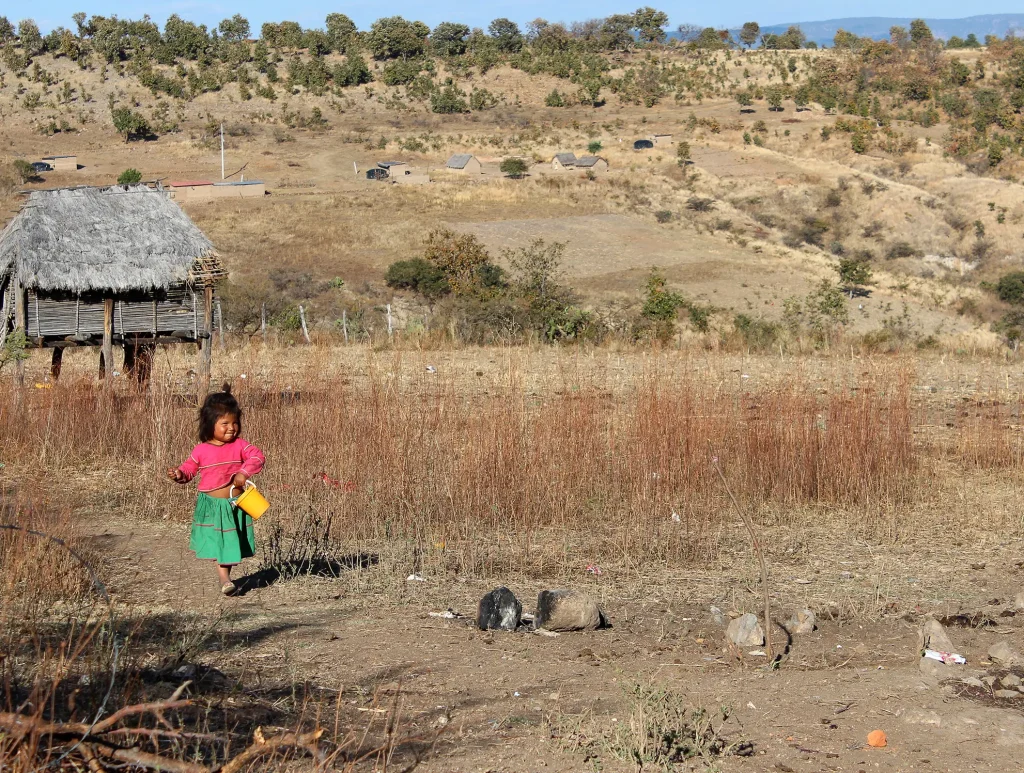
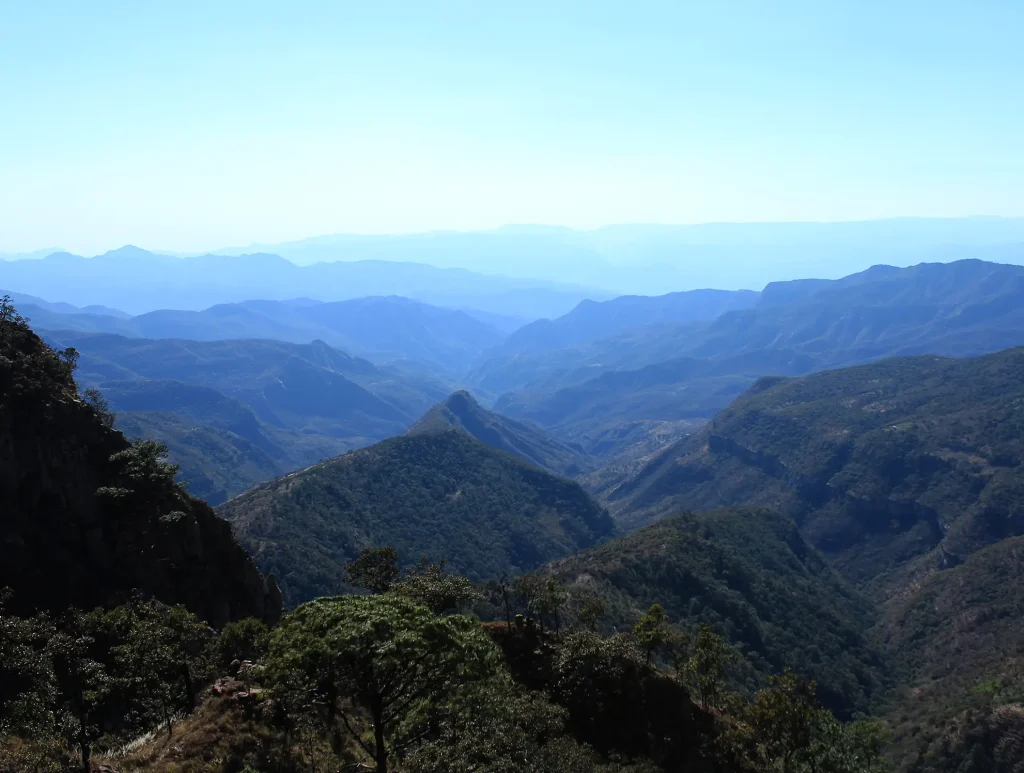
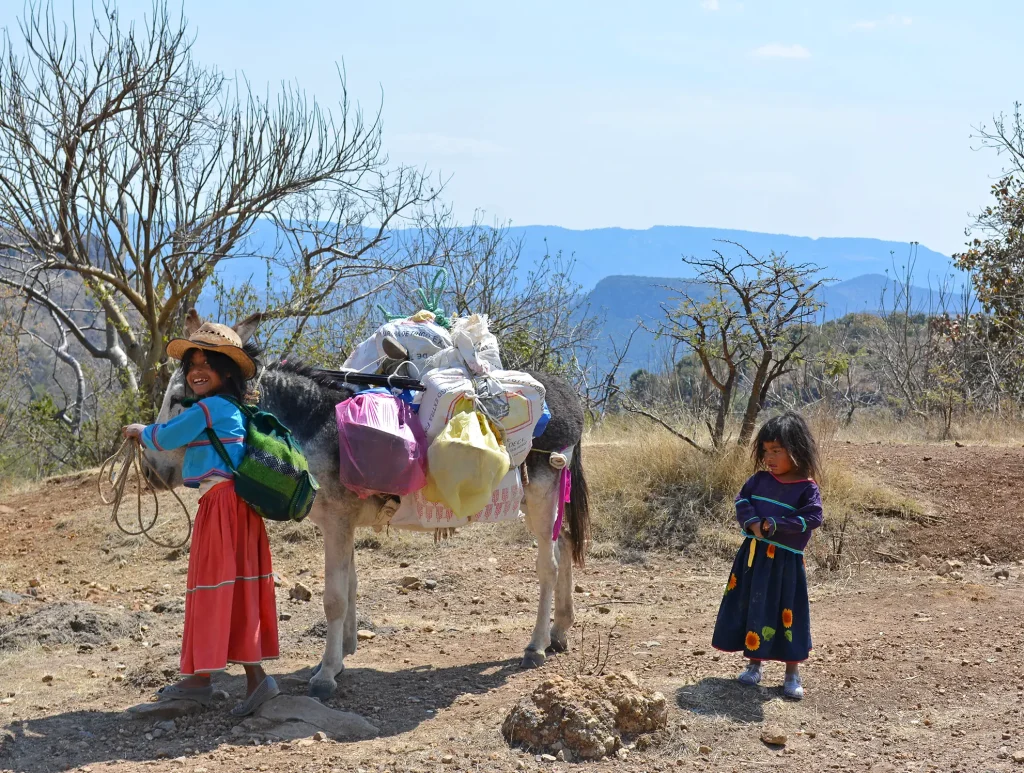
Isla Urbana began working here in 2010, founding Ha Ta Tukari -Water Our Life- to bring rainwater harvesters to the communities of the region. It was our first program developed in a remote indigenous area, and one of our important learning grounds. Wixárika culture is very different from that of the broader Mexico we knew, with a language and worldview as foreign as if it were an entirely different country. In response, we developed a strategy, and eventually a whole methodology, based around the intentional use of empathy and affective communication in order to reach across the cultural and linguistic divide.
Through this methodology we were able to establish and build a functional and practical collaboration with the community which has led to the building of over 330 rainwater tanks in over 23 villages and towns so far. It would also result in deep bonds of trust and friendship evolving over the years.
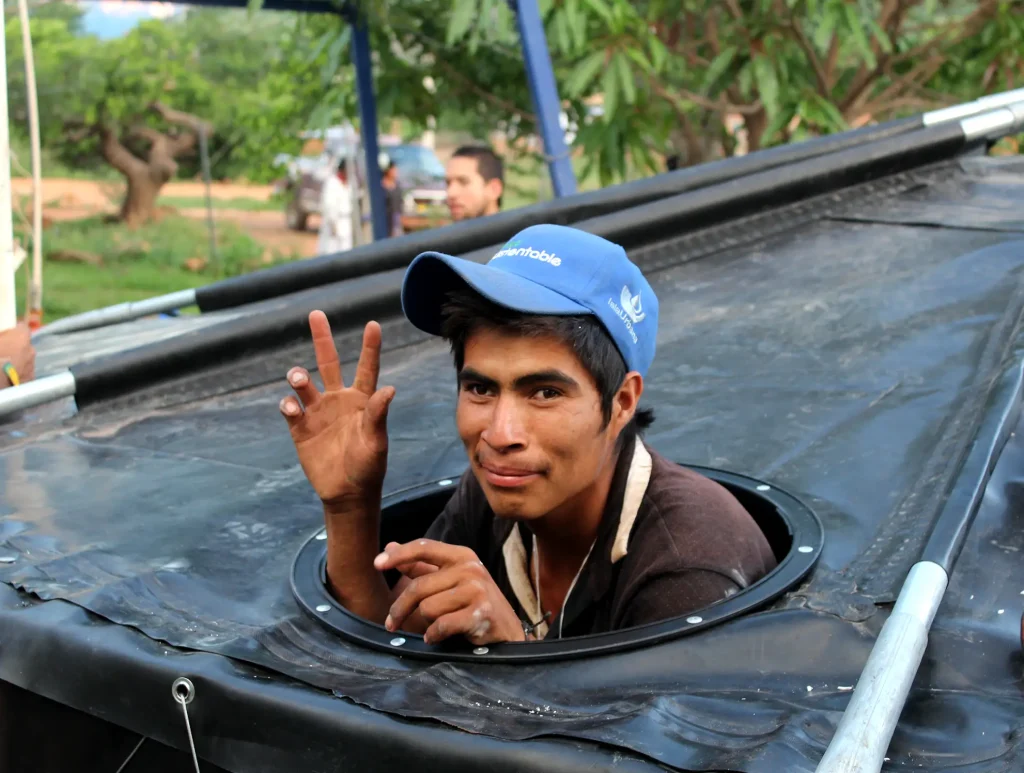
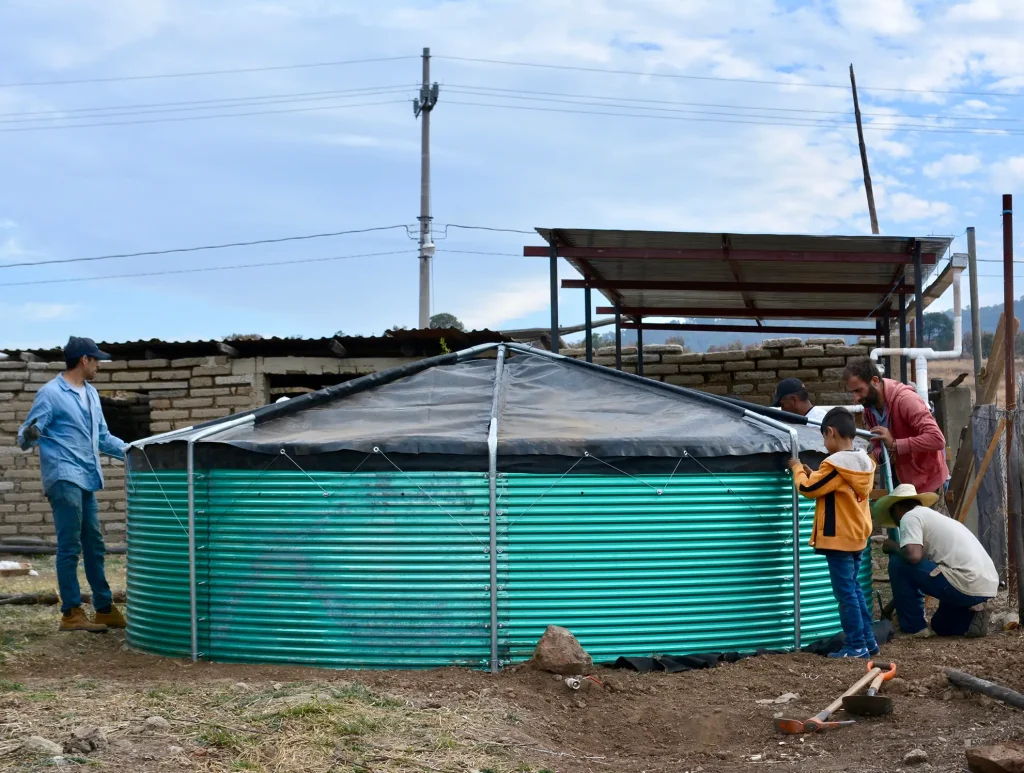
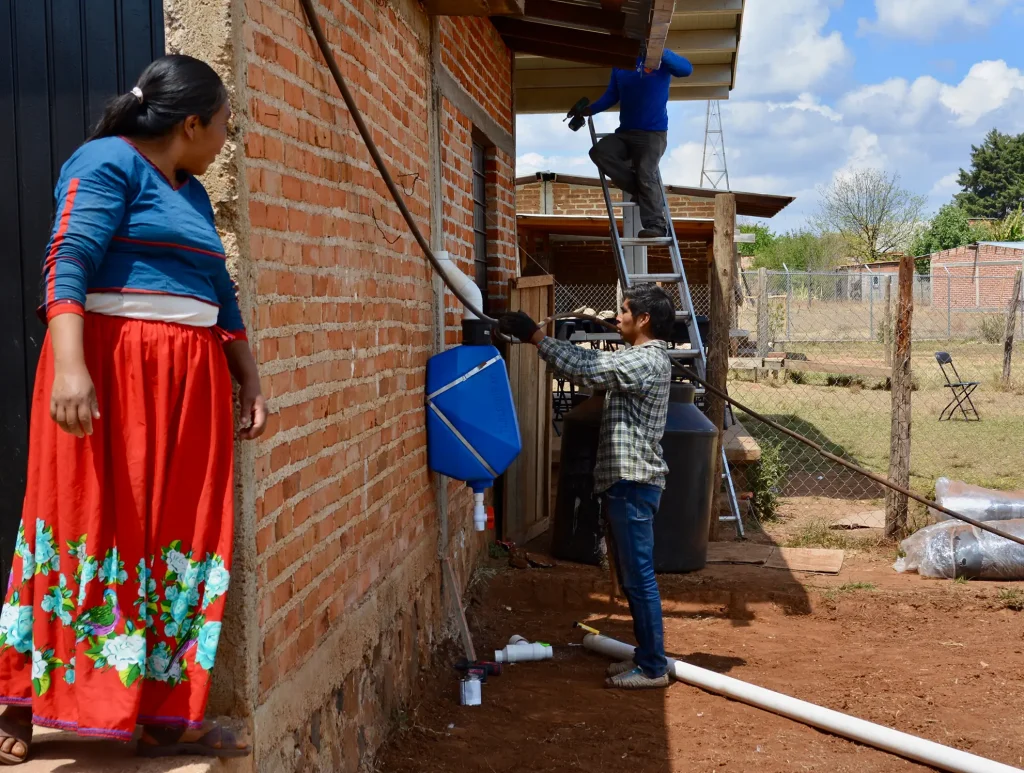
Some of the installations of the Rainwater Harvesting Systems in the region. Photos by Mariana Balderas.
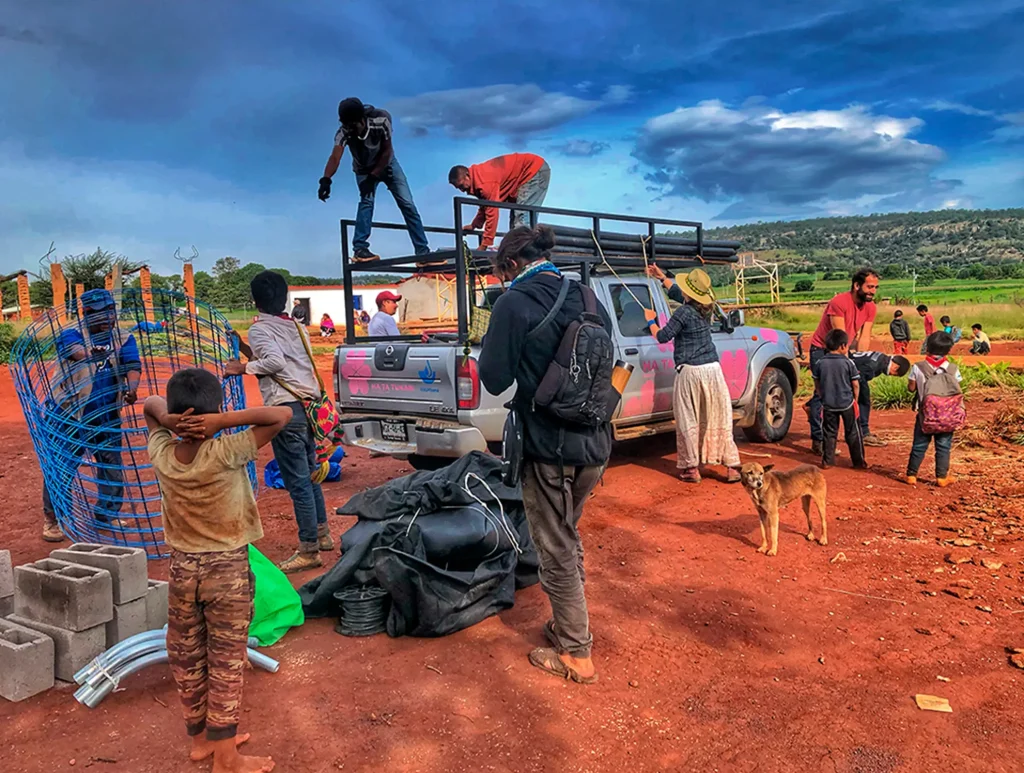
In 2021, the Wixárika region was engulfed in a wave of intense violence as rival Cartels began warring for control over a remote mountain road that runs through the area. The conditions made it temporarily impossible for us to travel there, and so we embarked on an initiative to transfer as much of the implementation duties as possible to an entirely local, autonomous team. The group of young men and women we recruited, trained, and hired has become the center of Isla Urbana’s work in the Sierra. Known as the Wixárika Intercultural Team, they have spent the past 4 years traveling through the mesas and canyons, building cisterns and teaching their people to harvest, store, and administer the rainwater they collect from their roofs.
Eventually, we would gain access to escorts from the national guard that would allow us to return to the region. Still, the focus remained on training and supporting the Intercultural Team, and on developing more and more skills and capacities with our young Wixárika colleagues. This year, we have moved beyond water access and have started working on the implementation of sanitation infrastructure for the first time. The trip into the Sierra we have just returned from involved the launch of our first full program which will provide universal sanitation coverage in the Village of La Cebolleta, our home base in the Wixárika Mountains, where our work began over 15 years ago.
We left Mexico City on a cool Monday morning. We were apprehensive. About a year ago, following a series of incursions by the cartels, the Mexican Army sent a garrison of soldiers to the Sierra, quartered in a little community center we built several years ago, directly across the road from our field base. We were grateful to have them there, but also nervous about how our long-beloved little Village would feel full of guns and soldiers. Many people in our team grew up distrustful of the military in Mexico, but we decided to apply the same principals of empathic communication that we have long used with the community, seeking to connect on a human and affective level first and foremost, and take things from there. Little did we anticipate the friendship we would develop with these young soldiers over the following weeks.
We arrived Tuesday afternoon and spent the first few days cleaning and organizing our base. The reception was touching. Since the security situation broke down in 2021, most of the NGO’s, individuals, and even government agencies, that used to frequent the area largely withdrew. The fact that we didn’t stop working earned us a lot of appreciation, and we could feel it. Every morning, people would come by with fresh tortillas, stopping to talk, gifting us bracelets, embracing us.
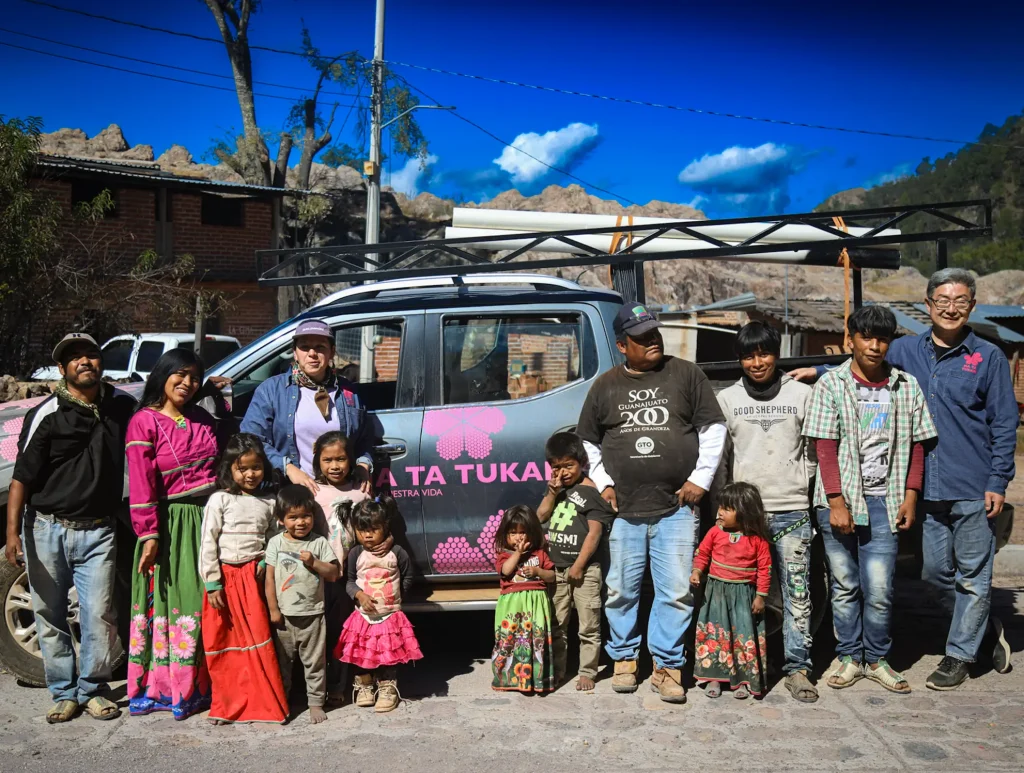
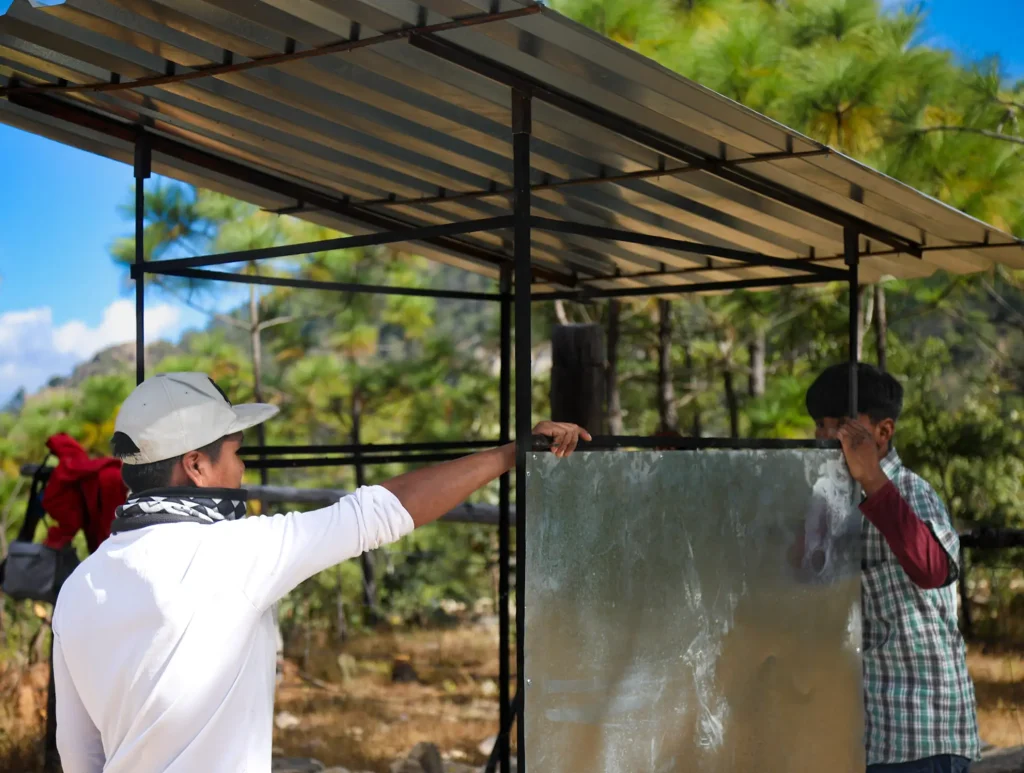
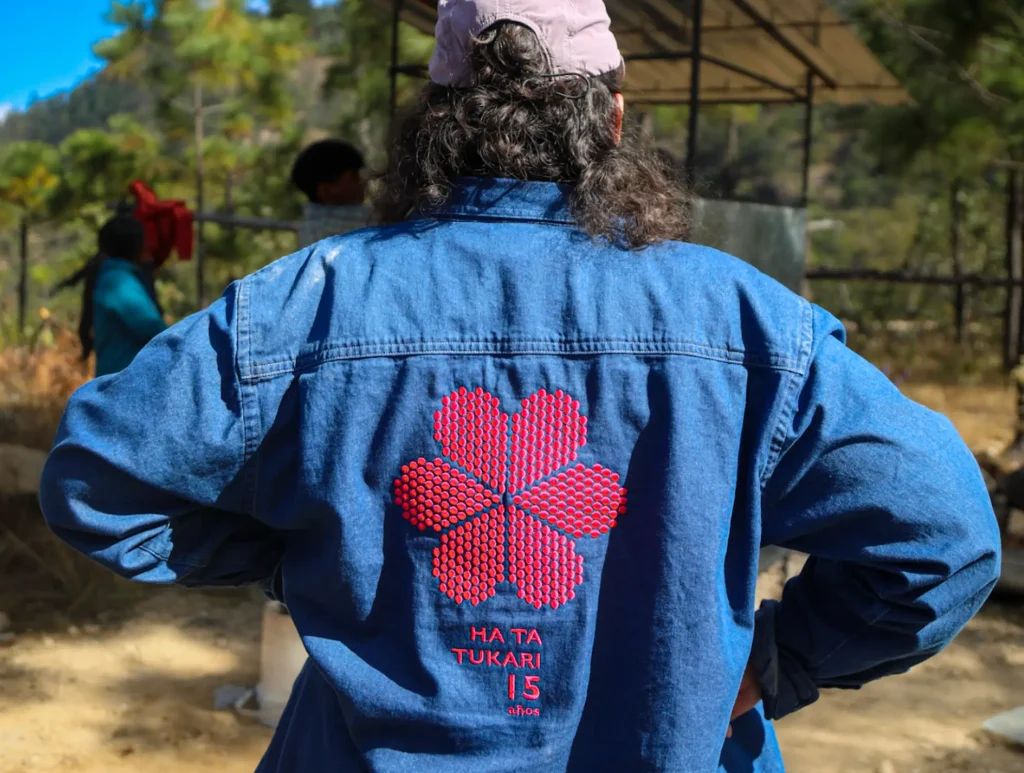
Photos by Patricio Orden.
The purpose of this trip was to start building composting toilets for every family in La Cebolleta, where open-air defecation is still practiced almost universally, with no ordered waste management system whatsoever. This contributes greatly to the very precarious health conditions in the area. Still, changing this type of ancestral practice is complex and difficult. We had spent years talking and thinking about how to do it. Now we were finally showing up with an entire program to make it happen.
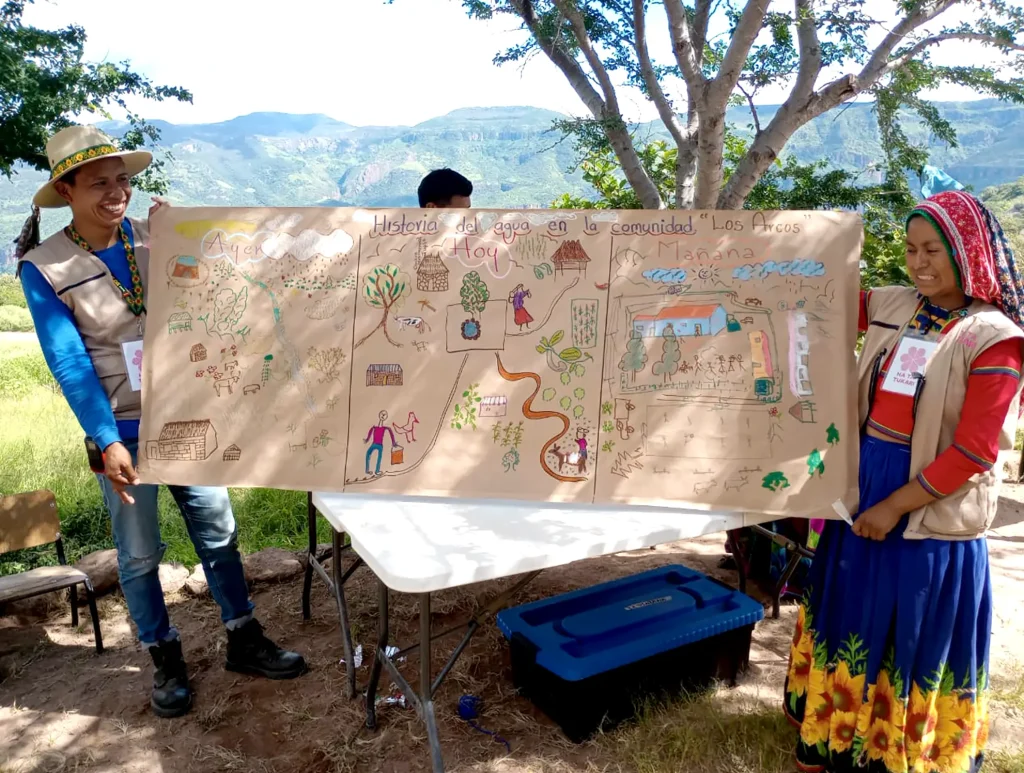
The first two weeks of the trip we worked daily with the Intercultural Team, preparing them to be able to train the rest of the population in the use and management of their future toilets, and to build a real understanding of the logic behind them, in their own language and cosmovision. We had to create a whole new vocabulary together, since there were no words established in Wixárika to describe sanitation.
We presented the program at the monthly community meeting, and when we opened registration, 30 families signed up on the first day. The first workshop we held was beautiful. The intercultural team was trained and ready, and we were able to watch them take charge, guiding the participants through exercises and round tables, analyzing their current situation, learning different kinds of sanitation models, debating their pros and cons, and reaching consensus on the type of system to be implemented. The people were happy, participative, and enthusiastic. We left with the conviction that we were about to carry out the first truly successful sanitation program in the entire San Andrés Cohamiata region, and all done 100% in the Wixárika language, and led by these beautiful young people.
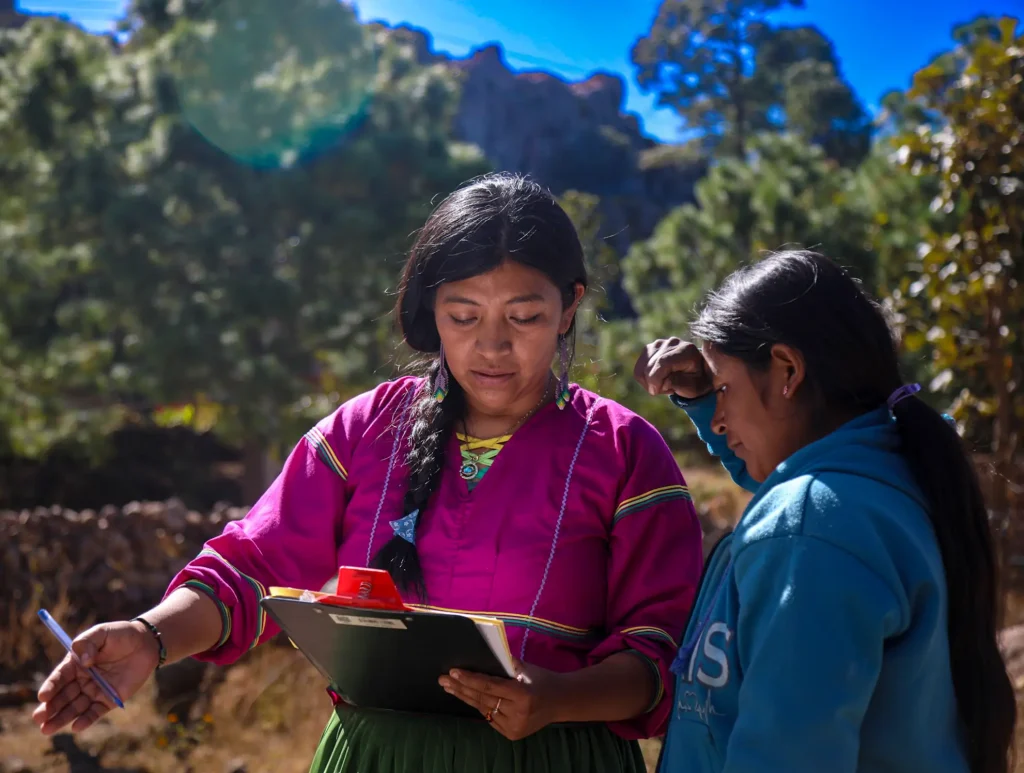
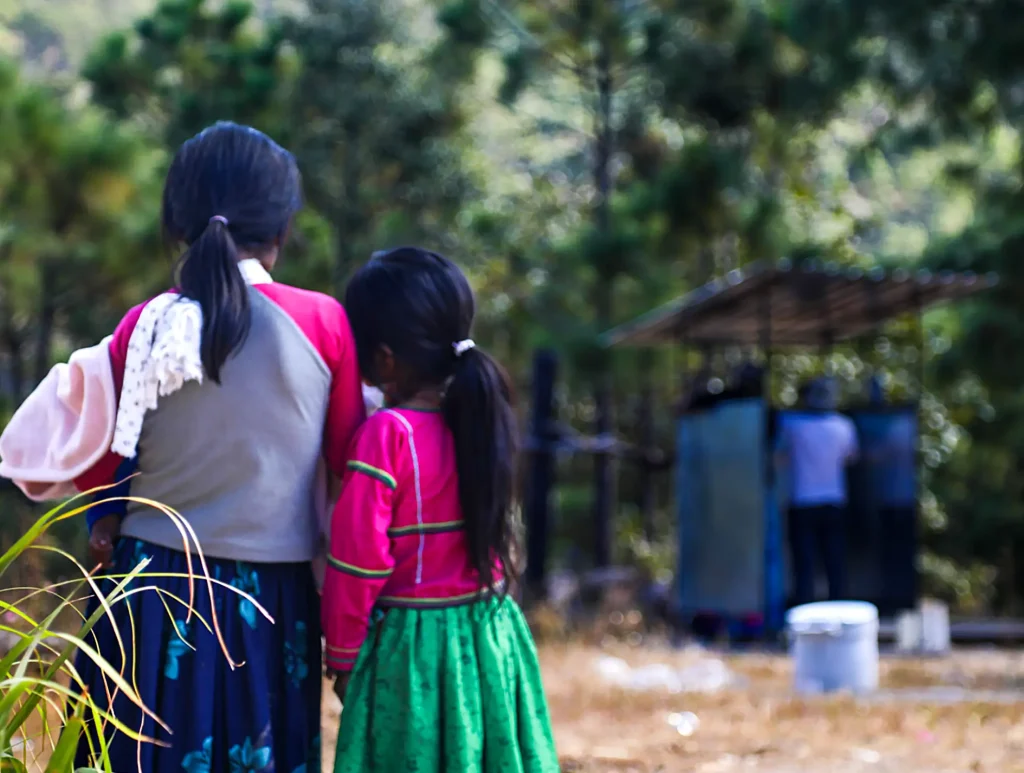
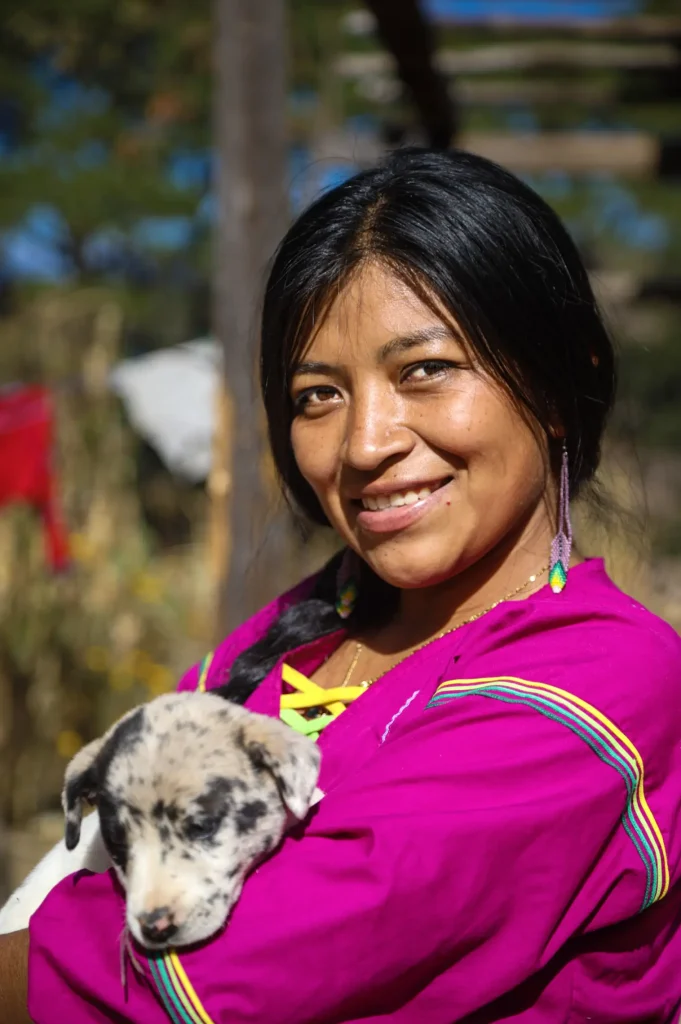
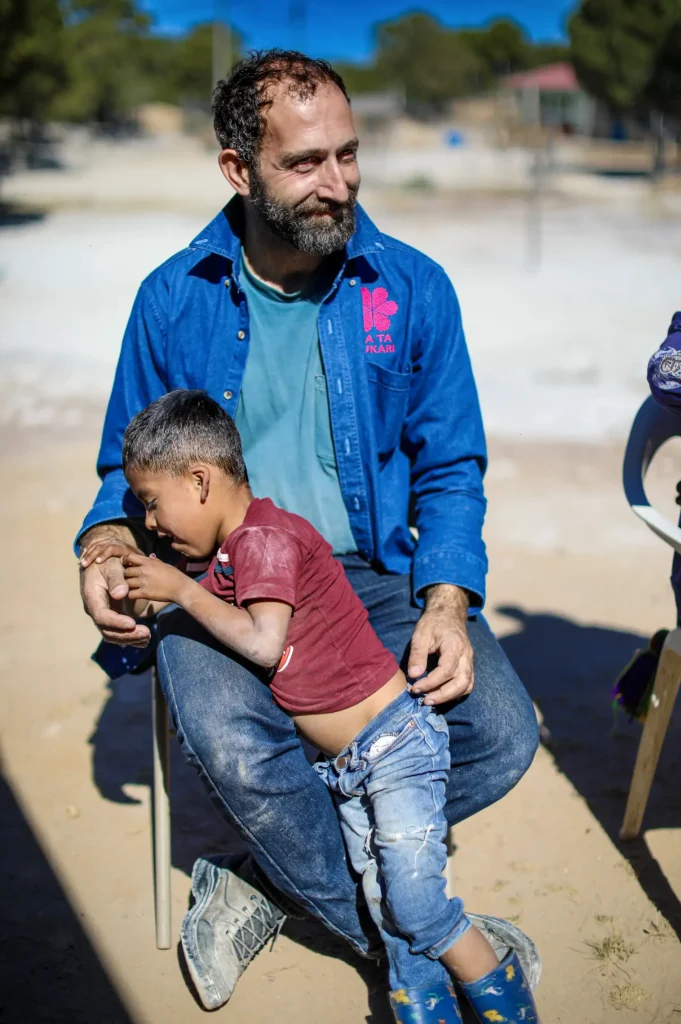
Photos by Patricio Orden.
It may sound excessive to express so much enthusiasm over building toilets, but in this difficult context, where peoples’ hopes and opportunities have been so damaged by violence and poverty, seeing these young people radiating self-confidence, standing tall in front of their community, carrying out the work with so much professionalism, and seeing that it was landing so well with the people, was very special.
While all this was happening, we were able to observe more closely the situation that is being experienced in the Sierra. I mentioned that we were living next to the army. At first our relationship with them was merely cordial, but we began bringing the soldiers coffee and cookies in the cold and foggy mornings, and we slowly began building up more of a relationship. Little by little, they opened up, and started telling us about their lives and deployments throughout the deepest corners of Mexico. Most of them were young people from very humble backgrounds. Many were very idealistic, enlisted from a desire to contribute something to their country, others were simply escaping poverty. In any case, we were moved by their stories.
One day, just as we were conducting a sanitation workshop, the soldiers left the community to replenish their food and supplies. They returned only a few hours later, without the food, uniforms dirty, faces grim and bruised, the windshield on their Humvee was shattered. These professional soldiers said nothing of what happened. Protocol forbids them speaking of any incidents that occur. But the silence and the holes in their vehicles said it all.
It was a powerful moment which brought home the full reality of the situation we are living through. It gave us a deep respect and appreciation for these young men. We saw how much we needed them to be there in order for us to be able to do our job, and they also expressed their gratefulness in having us there, because it gave meaning to their work seeing people use the security cover they provided in order to build something good and lasting.
The juxtaposition of seeing soldiers fighting to secure the area while young Wixárika villagers organized with their community to build toilets felt very meaningful. Something as simple as working with water and sanitation became like an act of resistance, an affirmation of life and hope, of persisting, despite the difficulty of the situation, in the work of creating conditions for a dignified life. By the time we were ready to return home, we felt the project had entered a new phase, one with a greater sense of urgency and meaning than ever. The community in the Sierra has become almost like family, and all the preconceptions we might have had about the soldiers we see throughout Mexico have been profoundly challenged. What remains is a sense of greater understanding and respect, of knowing that there are all kinds of people fighting for this country that we love, each in our own ways with the tools and ideas we each have.
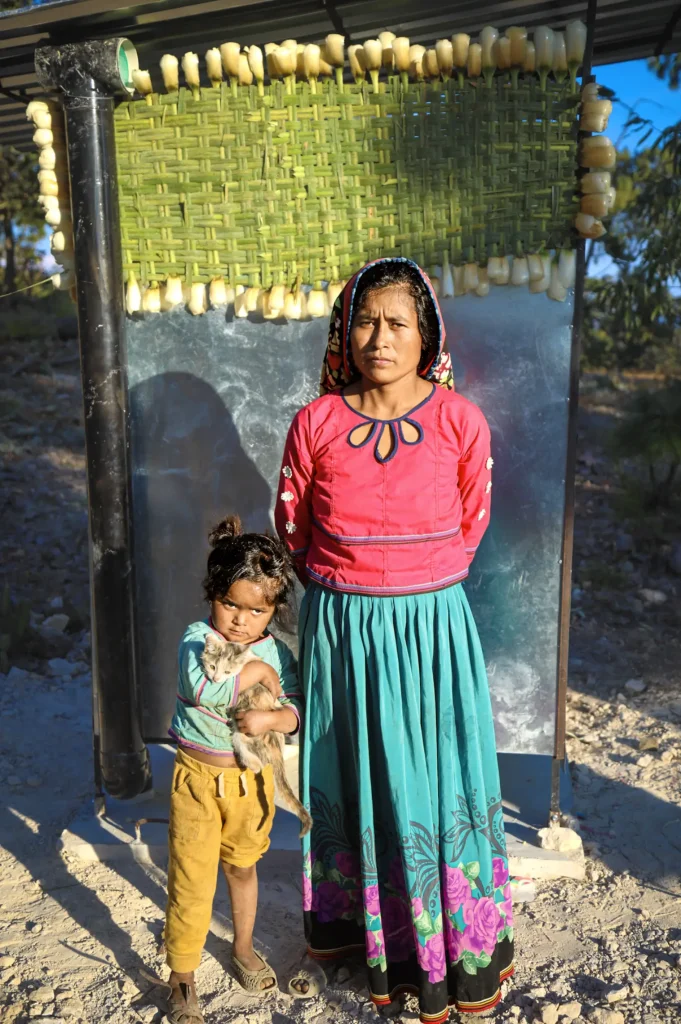
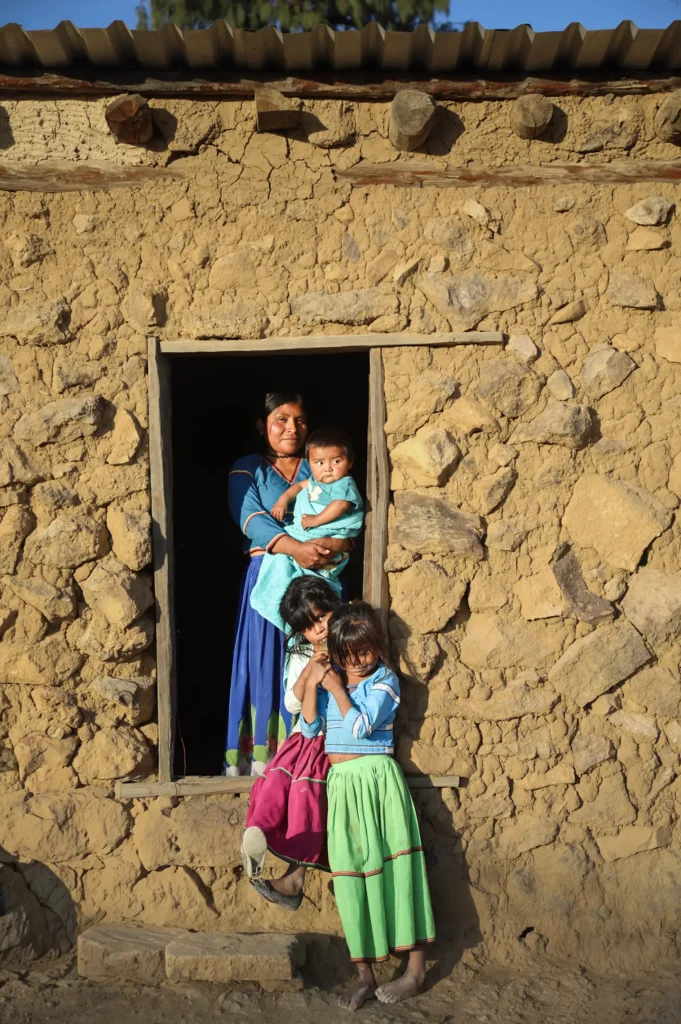
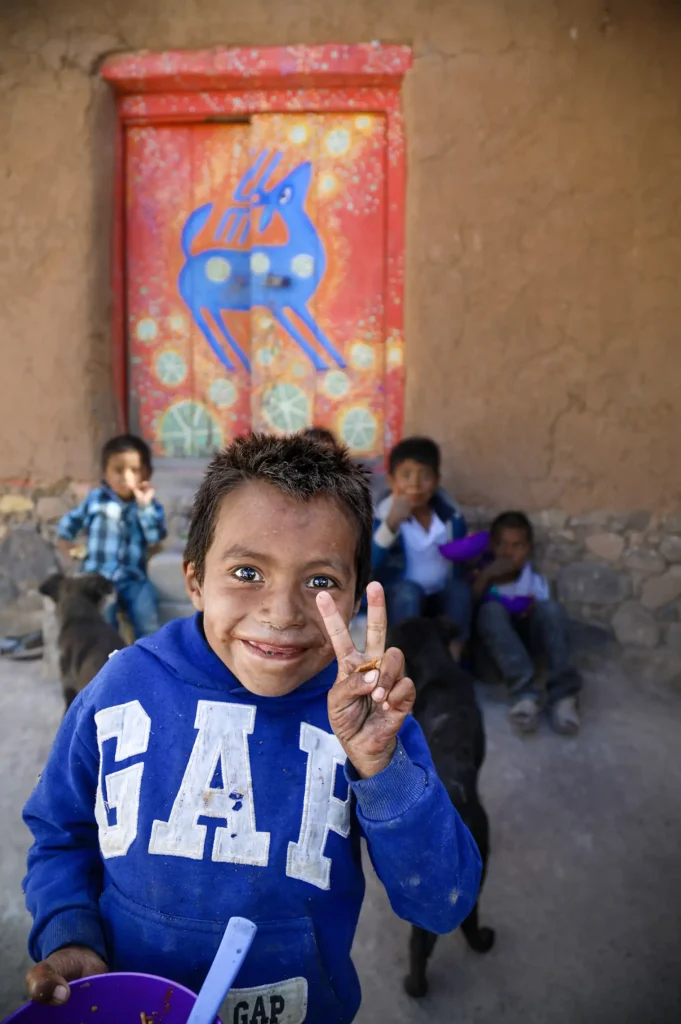
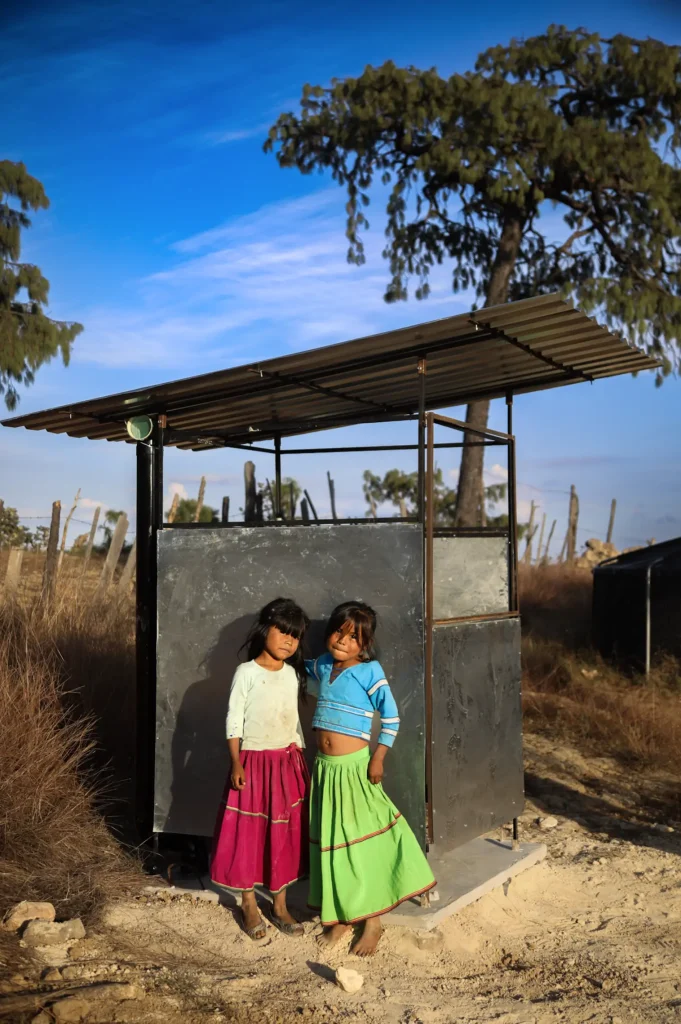
Photos by Patricio Orden.
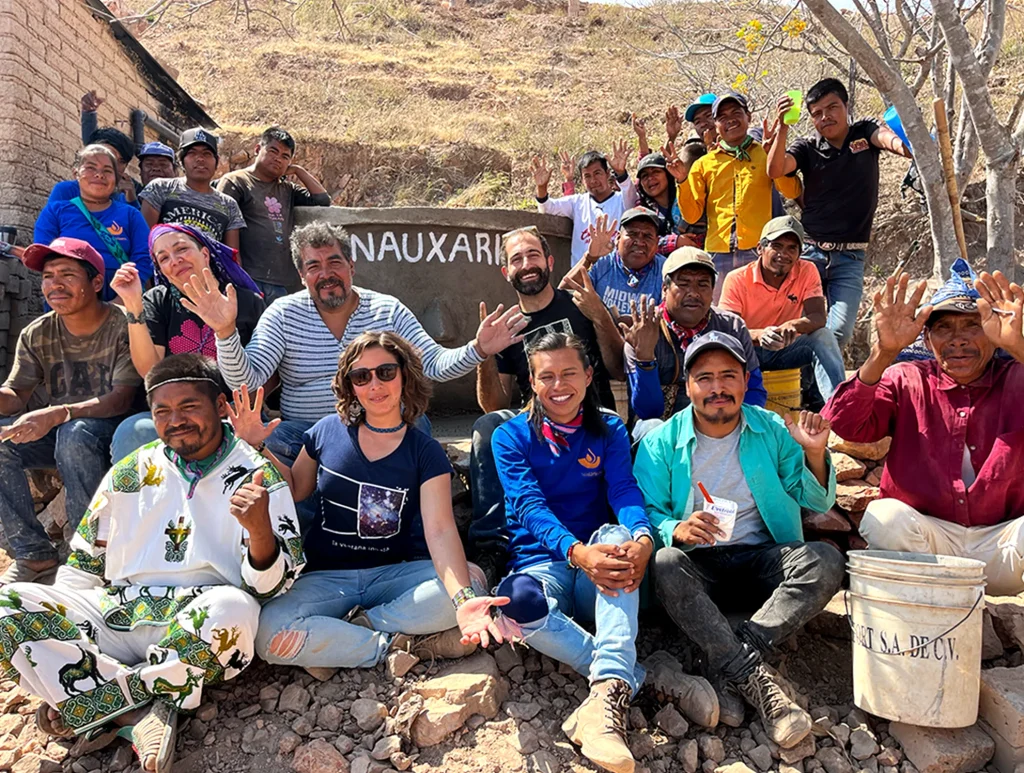
We left the Sierra with renewed motivation and desire to continue the work. And just then, shortly after our return, we received news that a massive program we had long been working on had been approved for international funding. Thisprogram will allow us to greatly expand the water access infrastructure we have been building, grow the Intercultural team, and for the first time, will allow us to add a large-scale forest regeneration program to all our other work in the Sierra. We look forward to the future of the project and can’t wait to continue sharing with you.
Thank you as always for your amazing support. We couldn’t do this without you!